
Dental Assistant Careers in Canada
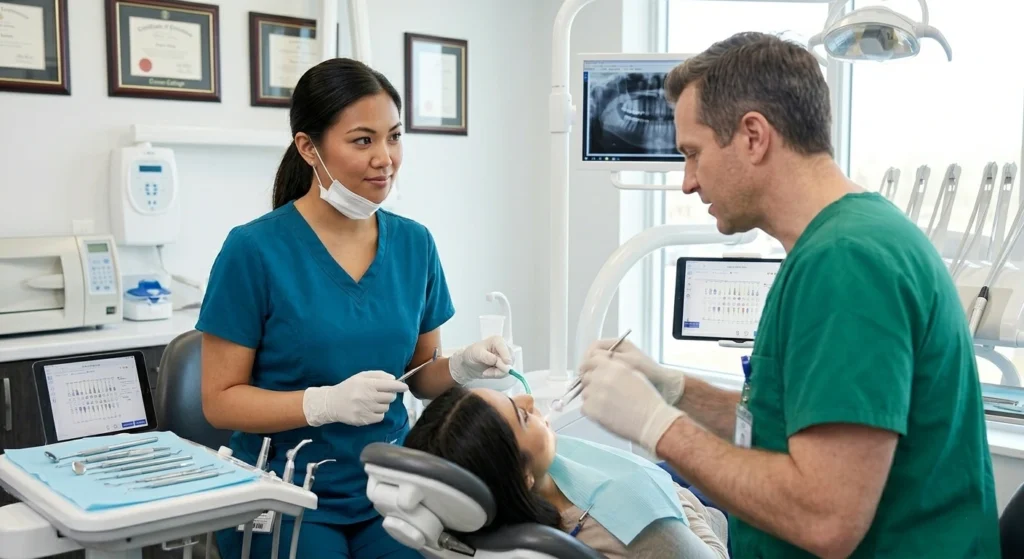
Are you searching for a stable, rewarding career path where you can truly make a difference in people’s lives every single day? Maybe you love the idea of working in healthcare but do not want to spend four to eight years tucked away in university libraries. If you are nodding your head, you are not alone. Many career seekers find themselves at a crossroads, wanting a professional role that offers quick entry into the workforce without sacrificing income potential or job security.
Step into the world of dental assisting. Across the country, oral healthcare teams are experiencing unprecedented demand for qualified professionals. If you have ever wondered what it takes to launch a successful career in this field, you are in the right place. This article will explore the essential training pathways, critical skills, and job outlook for dental assistant careers, Canada has to offer, while showing you exactly how a premier dental assistant program NB relies on, can fast-track your journey to professional success.
The Difference Between Level I and Level II Dental Assisting?
Before diving into training programs, it is vital to understand that dental assisting in Canada is generally divided into two distinct tiers: Level I and Level II. The classification you choose heavily influences your day-to-day duties, your professional autonomy, and your earning power.
Level I: Chairside Assistants
Level I dental assistants focus primarily on the foundational elements of clinical preparation, aseptic techniques, and administrative flow. Their core responsibilities include:
- Preparing, sterilizing, and organizing dental instruments to maintain strict infection control protocols.
- Disinfecting treatment rooms between patients to ensure a safe, sterile environment.
- Assisting the dentist chairside during complex procedures by managing suctions, handing instruments, and keeping the clinical field clear.
- Managing patient records and charting dental conditions under direct supervision.
Level II: Intra-Oral Assistants
Level II assistants possess a significantly expanded scope of practice. In addition to mastering all Level I chairside duties, Level II intra-oral assistants are certified to perform specific, reversible clinical procedures directly inside the patient’s mouth. These expanded clinical functions include:
- Placing and removing dental dams for operational isolation.
- Taking intra-oral and extra-oral digital radiographic images (X-rays) for diagnostic purposes.
- Applying preventive agents, taking clinical impressions, and delivering crucial oral health knowledge directly to patients.
Because Level II certified individuals can perform direct patient care, they are highly sought after by dental practices looking to optimize their clinical efficiency.
Job Outlook for Dental Assistants in Canada
If you are looking for a career with high job security, you will be pleased to know that Canada is currently facing a significant, widespread shortage of qualified dental assistants. Professional organizations, including the Canadian Dental Association, have repeatedly voiced serious concerns over these labor shortages.
Several key factors are driving this massive demand in dental assistant careers:
- The Canadian Dental Care Plan: The rollout of nationwide public dental benefits has drastically increased the number of Canadians seeking oral healthcare, creating a surge in patient volumes at local clinics.
- Expanding Clinics: To keep up with demand, dental practices are expanding their hours and physical locations, requiring more clinical support staff to operate smoothly.
- Retirements: A steady wave of retirements among senior practitioners has left vacant positions waiting for newly certified graduates.
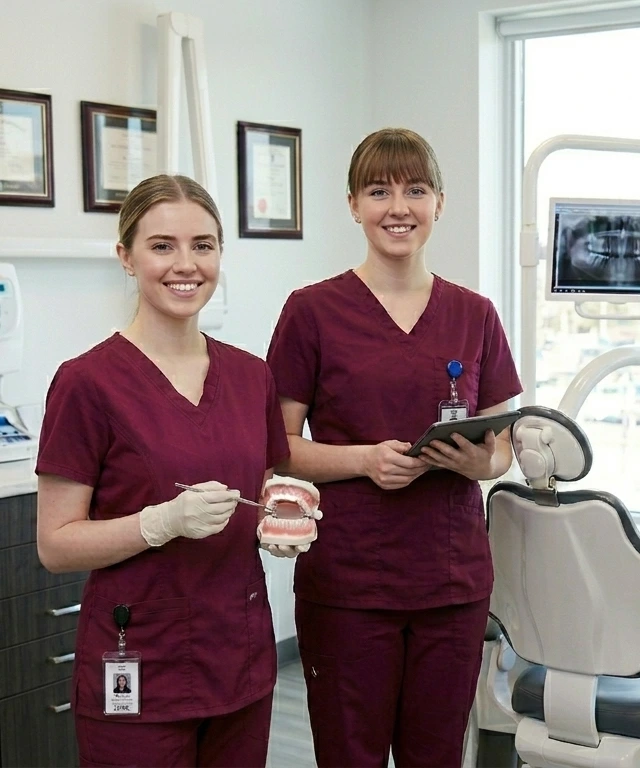
This shortage means that as a graduate holding a dental assisting diploma, you enter a job market where employers are actively competing for your talents. This environment translates to excellent starting wages, robust benefit packages, and the freedom to choose a workplace culture that aligns with your lifestyle.
Skills to Excel in a Dental Assisting Career
Succeeding as a dental assistant requires a balanced blend of technical capabilities and interpersonal strengths. Because you are working closely with both a clinical team and diverse patients, a well-rounded skill set is your ultimate asset.
Core Technical Skills
- Infection Prevention and Control: You must fully understand and implement rigorous sterilization processes to safeguard patient health and maintain compliance with provincial regulations.
- Radiography Proficiency: Safely exposing, assessing, and critiquing digital X-rays requires precision, an understanding of anatomy, and adherence to safety guidelines.
- Chairside Dexterity: Anticipating the dentist’s next step during an extraction or a restorative procedure requires sharp focus and manual dexterity.
Essential Soft Skills
- Empathy and Compassion: Many patients experience intense dental anxiety. Your capability to soothe fears, explain procedures calmly, and provide compassionate care makes a world of difference.
- Active Communication: You act as the bridge between the patient and the dentist. Clear, concise communication ensures procedures run smoothly and patients understand their post-treatment care instructions.
- Detail Orientation: From tracking minor changes in dental charts to mixing exact ratios of dental materials, a methodical and orderly mindset prevents clinical errors.
Achieve Your Goals With Oulton College
When you are ready to turn your dental assistant career ambitions into reality, choosing the right training institution is the most important decision you will make. This is where the Dental Assistant Level II program at Oulton College steps in to pave your path. Located in the heart of Moncton, New Brunswick, Oulton College offers an intensive, fully accredited program designed to transition you from the classroom to a clinical practice in record time. An Accredited, Fast-Track Path to Certification.
Oulton College features a full-time, 10-month Dental Assistant program that gets you workplace-ready in under a year. Crucially, the program is officially accredited by the Commission on Dental Accreditation of Canada. Why does accreditation matter so much? Graduating from a CDAC-accredited program means your curriculum automatically meets the rigorous national standards of core competency. This allows you to smoothly transition to writing the National Dental Assisting Examining Board written exam upon graduation, which is your vital gateway to becoming a licensed professional across Canada.
Comprehensive Hands-On Training
The curriculum at Oulton College ensures you build real-world confidence long before your first day on the job. The Pacific Avenue campus boasts an on-site clinic where you get to practice essential skills. Your training covers:
- Pre-Clinical and Clinical Practices: Learning the ins and outs of restorative theory, chairside support, and equipment maintenance.
- Advanced Radiography Labs: Learning proper sensor placement and exposing digital radiographic images safely on manikins.
- Laboratory Procedures: Practicing hands-on skills such as fabricating custom bleaching trays and protective mouthguards.
- Inter-professional Collaboration: Engaging in community dental health projects and working alongside dental hygiene students in long-term care facilities to provide care to residents.
Real-World Practicum Placements

To round out your 10-month journey, Oulton College places you directly into local dental offices for a comprehensive clinical practicum. This experience allows you to refine your techniques under the guidance of working professionals, build your professional network, and often secure employment offers before your diploma is officially handed to you.
Ready to Smile Brighter in a New Career?
The dental health landscape across Canada is expanding rapidly, and the need for certified Level II dental assistants has never been higher. By enrolling in a reputable program, you invest in a dental assistant career that offers quick entry into the workforce, excellent job stability, and a fulfilling daily routine. Do not let uncertainty hold you back from achieving your professional potential. Take charge of your future today. Contact the admissions team at Oulton College to book a campus tour, explore financial aid options, and find out how you can secure your seat for the upcoming intake. Your rewarding future in oral healthcare starts right here.
Turn your passion into a patient's smile.
Are you ready to make a difference in the smiles of patients?
What is the benefit of attending a CDAC-accredited dental assistant program in New Brunswick?
Attending a program accredited by the Commission on Dental Accreditation of Canada ensures that your training meets strict national quality standards. Graduates of accredited programs can immediately register to write the national NDAEB board exams, avoiding the extra costs, clinical evaluations, and lengthy delays often required for graduates of non-accredited institutions.
How long does it take to earn a dental assisting diploma at Oulton College?
The full-time Dental Assistant Level II program at Oulton College is designed to be highly efficient, taking just 10 months to complete from start to finish. This intensive format combines academic lectures, hands-on clinical lab work on-site, and practical placements in local dental offices.
Can Level II dental assistants take X-rays and work inside a patient's mouth?
Yes, Level II intra-oral dental assistants possess an expanded scope of practice that allows them to perform specific, reversible clinical procedures directly inside the mouth. This includes exposing digital radiographs, placing dental dams, and performing polishing procedures under the direct supervision of a licensed dentist.
*Please note that information may be subject to modifications. We encourage current and prospective students to visit the websites and speak to Admissions Advisors, in order to obtain the most recent information.