Medical Office Administration Careers in NB: What Graduates Can Expect
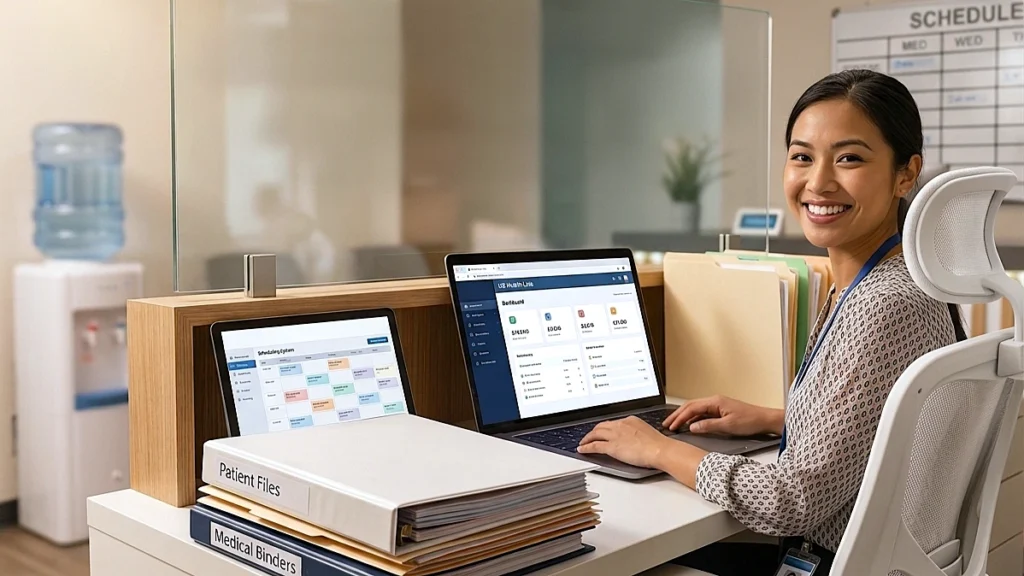
Have you ever walked into a busy clinic or a bustling hospital department and noticed the one person who keeps everything moving smoothly? The individual managing the phone lines, coordinating patient charts, and greeting anxious faces with a calm, reassuring smile is the backbone of the healthcare system. For individuals who have a passion for helping others but prefer working behind the scenes rather than performing clinical procedures, entering the field of healthcare administration is an excellent choice.
Navigating the job market after graduation can feel overwhelming if you are unsure where to look. What does the professional landscape actually look like for someone trained in medical office administration NB services? Where can you expect to work, and what kinds of roles are open to you?
The good news is that healthcare infrastructure is rapidly expanding throughout the province. The demand for qualified administrative professionals is at an all-time high. This comprehensive guide will explore the diverse employment sectors available to graduates. We will detail specific job titles, highlight non-traditional career paths, and answer the most pressing questions about securing rewarding MOA jobs across New Brunswick.
Medical Office Administration Opportunities in
NB
Many people assume that graduating with a diploma in healthcare administration means you will only work at the front desk of a local family doctor. While family practices are excellent places to build a career, they represent just a small fraction of the ecosystem. The skills acquired during your training are highly transferable. They are needed in dozens of different environments across both public and private sectors.
Let us look closely at the primary employment sectors where graduates can establish their careers and make an immediate impact.
1. Public Hospitals and Regional Health Authorities
Hospitals are massive operational hubs that require hundreds of administrative staff members to function safely and efficiently. Working within a regional health authority like Horizon Health Network or Vitalité Health Network offers exceptional stability and opportunities for vertical growth. Within a hospital setting, graduates can pursue several specialized positions:
- Admitting Clerks: These professionals are the first point of contact for patients arriving for planned procedures or emergency admissions, ensuring all demographic and insurance information is captured accurately.
- Booking and Scheduling Clerks: Responsible for managing the complex timetables of operating rooms, outpatient clinics, and specialized diagnostic procedures.
- Emergency Department Office Staff: High-energy roles that require rapid processing of patient documentation in fast-paced environments.
- Nursing Unit Clerks: Positioned directly on inpatient wards, diagnostic units, or laboratory floors, these individuals manage communication between doctors, nurses, and external departments.
- Medical Records Technicians: Responsible for maintaining, organizing, and archiving sensitive patient health information in compliance with provincial privacy legislation.
2. Primary Care, Walk-In Clinics, and Specialists
If you prefer a more tight-knit team environment where you can develop ongoing relationships with patients, private clinics and practitioner offices are ideal. These settings allow you to exercise a broad blend of clinical administration skills:
- Family Physician Offices and Partners: Managing daily schedules, processing provincial billing codes, and coordinating patient referrals to specialists.
- Walk-In Medical Clinics: Handling rapid patient turnarounds, managing walk-in queues, and coordinating urgent care documentation.
- Specialist Clinics: Working in focused fields such as cardiology, dermatology, or oncology, which requires learning specialized medical terminology and managing specific diagnostic files.
- Ophthalmology Clinics and Sole Practitioners: Blending general patient care coordination with specialized testing schedules and device ordering.
3. Specialized Therapy and Rehabilitative Centers
Healthcare extends far beyond traditional medicine. Rehabilitative and preventative health clinics are major employers of administrative graduates.
In these multi-disciplinary spaces, you will often act as an office manager, handling client onboarding, coordinating third-party insurance claims, and managing booking systems.
Typical workplaces include:
- Physiotherapy clinics
- Chiropractic practices
- Therapeutic massage clinics
- Dental offices (handling dental reception and complex insurance coordination)

Non-Traditional and Corporate MOA Job
Are you interested in exploring roles outside of the traditional clinic or hospital ward? The expertise gained from a structured medical administration program opens doors to corporate, institutional, and remote professional environments.
1. Emergency, Dispatch, and Health Support Networks
Organizations like Medavie Health Services New Brunswick play a vital role in provincial health delivery. Graduates can secure vital administrative and support infrastructure positions within ambulance dispatch centers, telehealth or 811 support services, and crisis response networks. Roles within the Extra-Mural Program or NB Health Link also utilize administrative professionals to coordinate home care visits, manage regional client waitlists, and facilitate community healthcare outreach.
2. Insurance and Corporate Health Adjudication
Major health insurance providers such as Medavie Blue Cross, Sun Life, and Canada Life require staff who understand medical language to process claims efficiently. In these corporate environments, you can work as a claims processor or case coordinator. Furthermore, provincial organizations like WorkSafeNB employ administrative staff for medical adjudication support, helping injured workers navigate their recovery timelines by coordinating documentation between physicians, employers, and case managers.
3. Institutional, Educational, and Government Roles
Public institutions require healthcare administrative expertise to manage internal health compliance and student care services. You can find opportunities within:
- School Districts: Supporting student health offices and managing administrative compliance within regional school boards like Anglophone East.
- Post-Secondary Institutions: Working in university student health centers or handling registrar documentation for health programs.
- Daycares with Medical/Special Needs Programs: Assisting with administrative oversight in inclusive early childhood networks like Wee College.
- Government and Public Sector: Assisting public health units, working with Health Canada initiatives, managing immigration medical documentation, or working in correctional facility healthcare offices like those in Dorchester, Renous, or Shediac.
The Digital Shift: Remote and Entrepreneurial Career Paths
The modern healthcare industry is changing, creating brand new avenues for flexible employment. If you are looking for flexibility or want to build your own business, consider these digital paths:
- Virtual Medical Receptionists: Providing remote scheduling, phone management, and email correspondence for multiple clinics simultaneously from a home office

- Medical Billing Specialists: Operating as an independent contractor to manage provincial medicare submissions and correct rejected codes for busy doctors.
- Telemedicine Coordinators: Managing the digital check-in processes and tech troubleshooting for patients utilizing virtual care platforms.
- Medical Transcriptionists and Scribes: Documenting doctor-patient encounters accurately to support Electronic Medical Record (EMR) maintenance.
What Makes a Graduate Successful in New Brunswick?
Landing one of the premium MOA jobs in the province requires a balance of technical training and strong interpersonal traits. Employers look for candidates who demonstrate empathy, excellent organization, and absolute discretion regarding patient privacy. Proficiency with Electronic Medical Records software, a clear understanding of provincial billing codes, and a professional communication style will set you apart from other applicants.
Your Path Forward in Healthcare Administration
The field of medical office administration NB services is incredibly diverse, offering a career path to suit almost any personality and professional goal. Whether you see yourself in a fast-paced emergency department, a corporate insurance setting, or managing a quiet specialized practice, your skills will be the glue that holds the operation together. The healthcare sector remains one of the most stable and resilient employment sectors in the province.
If you are ready to build a meaningful career that balances administrative precision with human compassion, now is the perfect time to take action. Explore the Medical Office Administrator program at Oulton College, polish your resume, and step confidently into the expanding world of healthcare administration.
What Does an NB Medical Office Administrator Actually Do?
Contact Oulton College to learn more about our 10 month Medical Office Administration Diploma and secure your spot in our next intake.
What specific credentials do employers look for when hiring for MOA jobs in New Brunswick?
Employers generally look for a formal diploma from an accredited college or technical institute. Professional certifications, practical internship experience within a regional health network, and familiarity with local Electronic Medical Records (EMR) systems are highly valued by hiring managers.
Can a medical office administration graduate work in non-medical fields?
Yes. The training includes strong foundational skills in record management, professional communication, and digital database software. This makes graduates competitive candidates for roles in law firms specializing in personal injury, financial institutions requiring secure document processing, and general corporate human resources departments.
Are there bilingual employment opportunities for administrative professionals in NB?
New Brunswick is Canada’s only officially bilingual province. Fluency in both English and French is a major asset and often required for positions within public regional health authorities (Horizon and Vitalité) and front-facing public sector roles, though many private and specialized positions exist for unilingual candidates as well.
*Please note that information may be subject to modifications. We encourage current and prospective students to visit the websites and speak to Admissions Advisors, in order to obtain the most recent information.