
Early Childhood Education Careers in NB: Skills, Roles & Opportunities
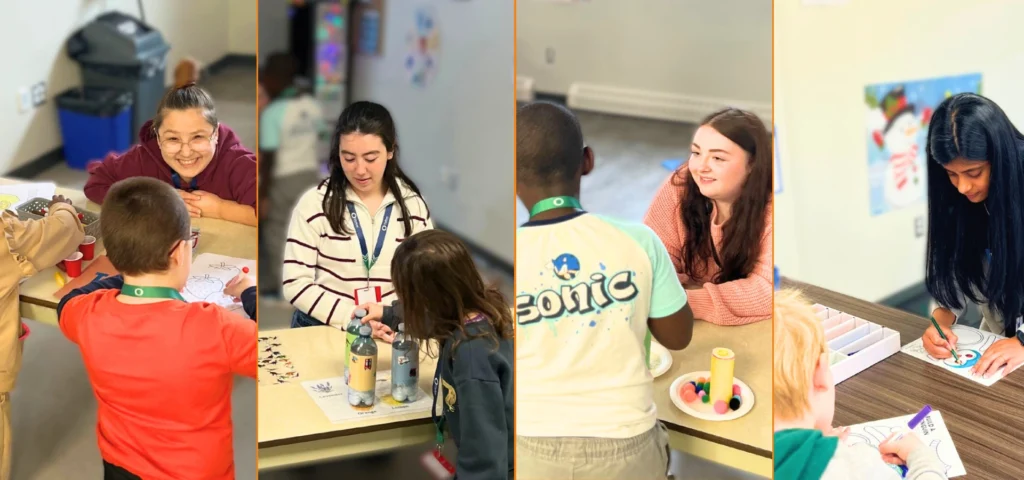
Build a Meaningful Future Working With Children
Have you ever wanted a career where your work truly matters every single day? Many people are searching for a profession that offers both purpose and stability, yet they are unsure where to start. If you enjoy helping children learn, grow, and gain confidence, a career in Early Childhood Education could be the path you have been looking for.
In this article, you will discover what early childhood education NB careers look like, the skills employers value most, available roles, and how training can help you begin a rewarding journey in Early Childhood Education careers in NB.
Why Early Childhood Education Is Growing in NB
Early childhood educators play a vital role in preparing children for lifelong learning. Studies show that high quality early learning environments improve language development, social skills, and academic readiness.
New Brunswick continues to expand access to affordable childcare, which has created strong demand for trained educators. Labour market data indicates a positive job outlook, with hundreds of projected openings driven by both industry growth and retirements.
For anyone considering early childhood education NB, this demand means real opportunities to enter a stable and meaningful field close to home.
What Do Early Childhood Educators Do?
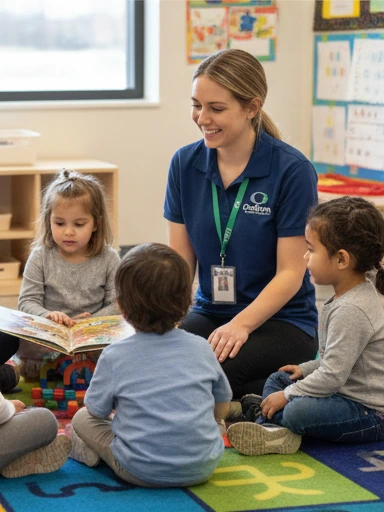
Early Childhood Educators and Educational Assistants guide children through play based learning experiences that support development in all areas.
Daily responsibilities often include:
- Planning age appropriate learning activities
- Supporting emotional and social development
- Encouraging communication and problem solving skills
- Monitoring developmental milestones
- Maintaining safe and inclusive environments
- Communicating with families and team members
Rather than simply supervising children, educators actively shape how young learners explore the world.
Essential Skills for Success in ECE Careers NB
Working with children requires a combination of personal strengths and professional skills. Employers hiring for ECE careers in NB often look for candidates who demonstrate the following abilities.
Strong Communication
Educators work closely with children, parents, and colleagues. Clear communication helps build trust and ensures consistent support for each child.
Patience and Emotional Awareness
Young children are learning how to express emotions. Educators model calm responses and teach healthy ways to manage feelings.
Creativity
Play based learning relies on imagination. Activities often include storytelling, art, music, and hands on exploration.
Observation and Problem Solving
Recognizing developmental progress or challenges early allows educators to adapt learning strategies effectively.
Teamwork
Educators frequently collaborate with teachers, educational assistants, and support professionals to create inclusive learning environments.
Career Opportunities in Early Childhood Education NB
One of the biggest advantages of pursuing early childhood education NB training is career flexibility. Graduates can work in a variety of settings.
Childcare Centers
Educators design and lead programs that support infants, toddlers, and preschool aged children.
Educational Assistant Roles
Educational assistants help students succeed within school environments, including those who require additional learning support.
Preschool and Early Learning Programs
These roles focus on preparing children socially and academically before entering elementary school.
Inclusive and Support Programs
Some professionals specialize in supporting children with diverse developmental or behavioral needs.
The variety within ECE careers in NB allows graduates to find roles aligned with their interests and strengths.
Why Professional Training Makes a Difference
While passion for working with children is important, employers increasingly seek candidates with formal education. Training programs prepare students with both theoretical knowledge and practical experience.
Students in ECE programs learn:
- Child development and learning theory
- Inclusive classroom strategies
- Safety and wellbeing practices
- Curriculum planning and assessment
- Real world skills through placements
Hands on experience helps graduates enter ECE careers in NB with confidence and job ready skills.

Growth and Advancement Opportunities
Early Childhood Education can open doors beyond entry level roles. With experience, professionals often move into positions such as:
- Lead educator or supervisor
- Inclusion support specialist
- Program coordinator
- Educational assistant in school systems
- Further education in teaching or social services.
This flexibility makes ECE careers in NB appealing for individuals seeking long term career development.
Start a Career That Makes a Difference
Choosing a career is about more than employment. It is about finding work that feels meaningful while offering real opportunity. Early Childhood Education allows you to shape young lives while building a stable and fulfilling future.
With strong demand, diverse career paths, and opportunities for growth, now is an excellent time to explore early childhood education in NB programs and begin your journey into rewarding ECE careers in NB.
If you are ready to turn compassion into a profession, taking the first step toward training could lead to a career that changes lives including your own.
Turn Compassion into a Profession.
Start a Early Childhood Education Career in New Brunswick!
What jobs are available in early childhood education NB?
Graduates can work in childcare centers, preschools, early learning programs, and as educational assistants in schools.
Are ECE New Brunswick careers in demand?
Yes. Expansion of childcare services across New Brunswick continues to increase demand for trained educators. Job outlook is GOOD throughout New Brunswick.
Do you need training for early childhood education careers in NB?
Employers prefer candidates with formal Early Childhood Education training that includes practical experience and child development knowledge.
*Please note that information may be subject to modifications. We encourage current and prospective students to visit the websites and speak to Admissions Advisors, in order to obtain the most recent information.