
Essential Certifications in Oulton’s Human Services Counsellor Program
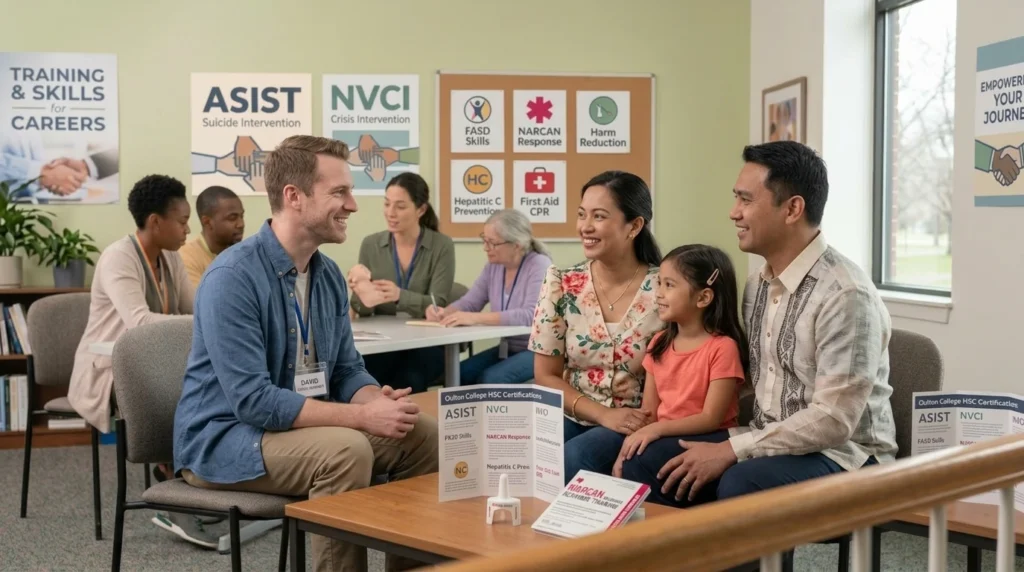
When you choose a career in human services, you step up to become a lifeline for individuals in their most vulnerable moments. Whether supporting someone through a mental health crisis, helping a family navigate addiction, or advocating for marginalized communities, your daily work directly impacts human lives.
However, compassion alone is not enough to walk into a high-stakes scenario. Employers in community care, group homes, youth shelters, and mental health agencies need workers who hold recognized professional credentials. They look for certified skills that prove you can respond calmly under pressure, save lives in emergencies, and maintain strict industry safety regulations.
If you are researching how to become a certified human services counselor, you might wonder how candidates gain these specialized skills before entering the field. At Oulton College, practical readiness is built into the curriculum. In this guide, you will discover the essential human services counselor certifications earned during the Human Services Counselor (HSC) diploma, why regulatory bodies demand them, and how Oulton gives you a distinct advantage in the job market.
Why Professional Certifications Matter in Human Services
In front-line human services, unexpected situations happen every day. A client may experience severe emotional distress, an accidental opioid exposure, or a sudden medical emergency.
Provincial workplace safety regulations, health authority standards, and agency policies strictly mandate that staff possess verified crisis intervention training for counselors before working unsupervised. These certifications serve three critical purposes:
- Client Safety: Ensures interventions are evidence-based, trauma-informed, and compassionate.
- Worker Protection: Teaches practical techniques to minimize physical and psychological risk on the job.
- Legal and Regulatory Compliance: Meets requirements set by provincial oversight bodies and occupational health guidelines.
When you apply for jobs with these certifications already completed, employers know you can join the team and start contributing immediately without needing basic safety training.
Key Certifications Earned in Oulton’s HSC Program
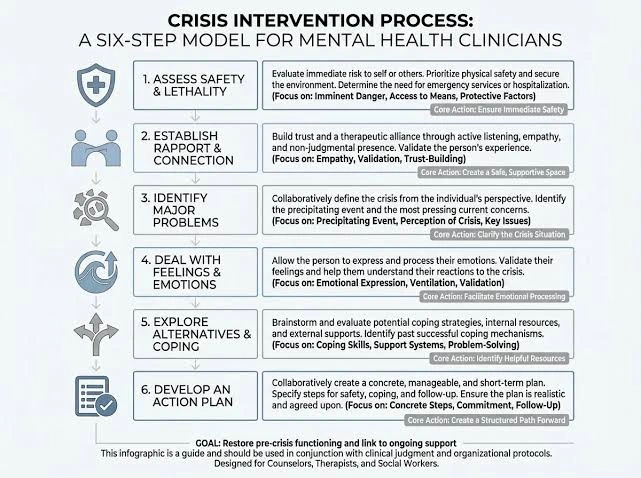
The Human Services Counselor Program at Oulton College integrates hands-on credentials directly into your academic schedule. Here is a closer look at the key certifications you build throughout your studies.
1. Non-violent Crisis Intervention (NVCI)
De-escalation is one of the most critical daily skills in social work and community care. NVCI training equips you to recognize early indicators of emotional agitation and prevent conflict from escalating into physical harm. You learn verbal de-escalation strategies, personal safety protocols, and safe intervention methods that prioritize personal dignity.
2. Applied Suicide Intervention Skills Training (ASIST)
ASIST is a world-recognized, two-day interactive workshop in suicide first aid. You learn to recognize implicit risk signals, conduct structured safety assessments, and build immediate safety plans with individuals in crisis. Having ASIST on your resume shows employers that you possess the confidence to handle acute mental health emergencies.
3. Fetal Alcohol Spectrum Disorder (FASD) Skills Certification
FASD affects how individuals process information, regulate emotions, and handle executive functioning tasks. This self-paced online certification covers basic neurodevelopmental realities, adaptive communication strategies, and environmental accommodations. It prepares you to understand and support individuals with FASD in housing, educational, and community settings.
4. NARCAN Opiate Overdose Response Training
With the ongoing toxic drug crisis, immediate overdose response skills are essential across community health environments. This life-saving course teaches you to recognize opioid poisoning symptoms, administer naloxone nasal spray safely, and maintain airway stability while emergency medical services are on their way.
5. Safe Spaces Training (LGBTQ Awareness & Sensitivity)
Effective counseling and care require building genuine, inclusive relationships free from bias. This self-paced program focuses on inclusive language, understanding gender identity and expression, and reducing systemic barriers for LGBTQ2S+ individuals in healthcare and community settings. Participants complete the module independently online to earn a certificate of completion.
6. Harm Reduction Training
Meeting individuals where they are requires non-judgmental care and practical strategies to promote safety and well-being. This self-paced online program provides essential education on harm reduction principles, substance use awareness, overdose prevention, and strategies to minimize systemic barriers for folks who use substances. Learners work through the online course independently at their own pace to receive a certificate of completion.
7. Hepatitis C and STBBI Intervention and Prevention
Sexually Transmitted and Blood-Borne Infections (STBBIs) disproportionately impact vulnerable and unhoused populations. This certification provides factual training on prevention, screening pathways, treatment options, and stigma reduction, giving you the tools to deliver accessible health education.
8. First Aid Training (Level C CPR with AED)
Fundamental emergency care is required across virtually all social service agencies. Standard First Aid Level C covers adult, child, and infant CPR alongside Automated External Defibrillator (AED) operation. This certification ensures you can manage severe medical emergencies until paramedics arrive.
Key Focus Area:
Verbal de-escalation & safe crisis response.
Career & Regulatory Relevance:
Required by residential facilities and youth care centers.
Key Focus Area:
Suicide prevention & immediate safety planning.
Career & Regulatory Relevance:
Essential for crisis lines, shelters, and mental health outreach.
Key Focus Area:
Neurodevelopmental support strategies.
Career & Regulatory Relevance:
Key for supportive housing, schools, and case management.
Key Focus Area:
Opioid overdose identification & response.
Career & Regulatory Relevance:
Vital for community outreach, shelters, and harm reduction clinics.
Key Focus Area:
Gender identity, inclusive language & bias reduction.
Career & Regulatory Relevance:
Essential standard for equitable healthcare & community care.
Key Focus Area:
Infection prevention & public health education.
Career & Regulatory Relevance:
Critical for harm reduction sites and public health roles.
Key Focus Area:
Medical emergencies, CPR & AED operation.
Career & Regulatory Relevance:
Universal baseline requirement for human services employment.
Key Focus Area:
Substance use awareness, safety & non-judgmental care.
Career & Regulatory Relevance:
Core credential for trauma-informed & person-centered practice.
How Oulton College Gives You the Competitive Advantage
Why undertake these courses individually on your own time when you can complete them as part of a structured diploma? The Oulton College HSC program benefits extend far beyond classroom lectures.
All-Inclusive Learning: Instead of spending personal weekends tracking down individual providers, paying separate course fees, and managing scattered scheduling, these certifications are embedded right into your program timetable.
Practicum and Career Readiness: When you enter your field placement, you are fully certified to engage directly with clients. Local employers recognize Oulton graduates because they possess verified credentials from day one.
Instructor-Led Hands-On Training: You do not just read theory out of a textbook. You practice de-escalation roleplay, simulate CPR scenarios, and work through realistic crisis case studies alongside experienced instructors.
Take the Next Step Toward Your Human Services Career
A career in human services offers profound personal fulfillment, but long-term professional success requires the right practical toolkit.
Earning industry-standard credentials like ASIST, NVCI, and NARCAN training alongside your diploma proves to prospective employers that you are prepared, skilled, and passionate about keeping clients safe.
Are you ready to turn your empathy into a lifelong professional career? Explore course structures, start dates, and practical learning modules on the official Oulton College Human Services Counselor program page today.

Your future is waiting - take your first step today.
Explore Oulton College’s HSC program today and picture yourself stepping confidently into your future. Stop wondering what a Human Services Counsellor does and start your journey to become one.
Remember that by investing in your education, you are investing in your future, gaining the skills and connections you need to thrive in your career and life.
Frequently asked questions:
Do I need prior experience before earning these certifications at Oulton College?
No prior experience is needed. All certifications within the Human Services Counselor program start with fundamental concepts and progress through hands-on practical training guided by qualified instructors.
How long do these certifications remain valid once I graduate?
Validity periods vary by credential. First Aid Level C is typically valid for 3 years, while credentials like NVCI and ASIST are often recertified every 1 to 2 years depending on your employer’s specific workplace regulations.
Are these certifications recognized outside of New Brunswick?
Yes. Major certifications such as ASIST, NVCI (Crisis Prevention Institute), and Standard First Aid Level C are widely recognized by community service agencies, health authorities, and non-profits across Canada.
*Please note that information may be subject to modifications. We encourage current and prospective students to visit the websites and contact your admissions advisor in order to obtain the most recent information.