
Policing and Corrections Careers in NB: Education, Skills and Pathways
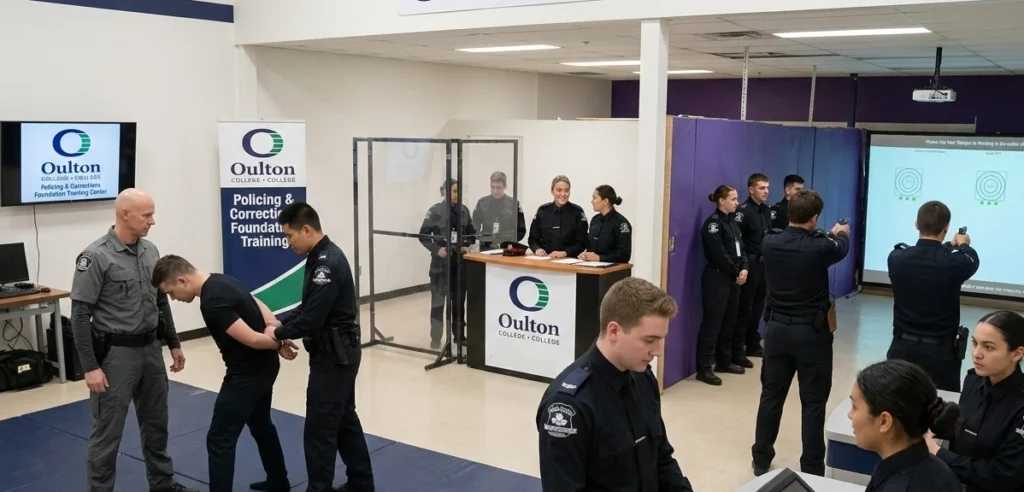
New Brunswick continues to require trained public safety professionals across policing, corrections, security, and community supervision roles. Workforce turnover, retirements, and ongoing public safety demands continue to create opportunities for qualified candidates.
Many people feel a strong calling to serve their community. But knowing where to begin can feel overwhelming. What education do you need? What skills are employers looking for? How do you turn your interest in law enforcement into a lifelong career?
If you are considering policing and corrections careers in NB, understanding the right education and training pathways is your essential first step. With the right mix of academic foundation and practical training, you can build a career in policing, corrections, border services, or private security.
In this article, we’ll explore the career options available in New Brunswick, the skills employers value most, and how the Policing and Corrections Foundation (PCF) program at Oulton College prepares you for the front lines of public safety.
Demand for Public Safety and Security Professionals in Canada
According to Statistics Canada, more than 75,000 police officers serve communities across Canada, while thousands more work in correctional services, border security, and related public safety occupations.
As communities grow and public safety needs evolve, employers continue to seek qualified professionals across a range of fields. Opportunities can be found in public safety careers, correctional officer careers, policing, community supervision, and other security careers in Canada. With workforce turnover, retirements, and ongoing demand for trained personnel, graduates can pursue meaningful and stable career opportunities throughout New Brunswick and across the country.
This reinforces the importance of training programs that prepare students for policing careers in New Brunswick.
Why Education Matters in Policing and Corrections
Modern law enforcement requires more than just physical readiness or a desire to help. Today’s correctional services demand highly trained professionals who excel in legal knowledge, interpersonal communication, and ethical decision-making.
A formal policing and corrections education helps students master:
- Canadian Criminal Law: Understanding the framework of the justice system.
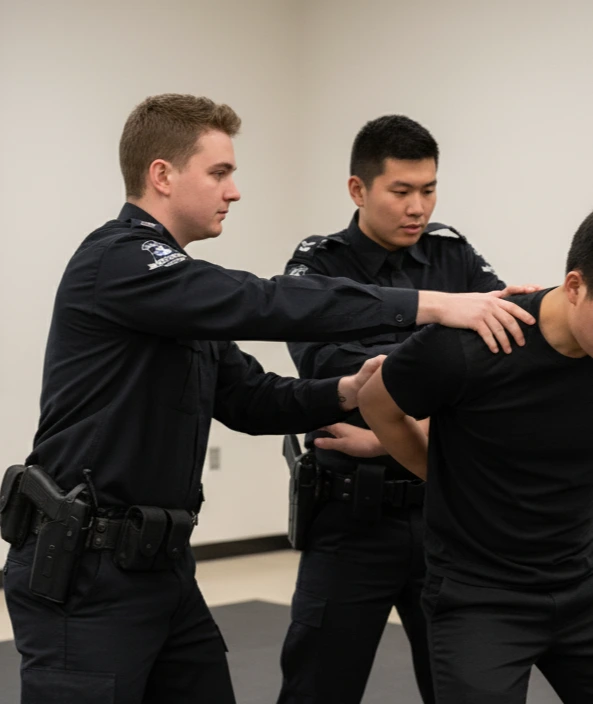
- Conflict Resolution: De-escalation techniques for high-pressure situations.
- Investigation & Reporting: The technical side of documenting evidence.
- Ethics & Conduct: Maintaining integrity in the face of challenges.
Employers increasingly prioritize candidates with post-secondary training because it demonstrates a level of commitment and “job-readiness” that on-the-job training alone cannot provide.
Education also gives students a deeper understanding of the realities of public safety work. This preparation helps graduates enter the field with confidence and professionalism.
Career Opportunities in Policing and Corrections in NB
One of the advantages of pursuing a policing and corrections NB career is the wide range of opportunities available. Many graduates start in entry level roles and continue advancing as they gain experience.
Some potential career paths include:
Police Services
Graduates may pursue careers with municipal, provincial, Indigenous, or federal policing organizations.
Possible roles include:
- Police officer
- Community safety officer
- Transit police
- Campus security officer
Public Safety and Security
Graduates may also work in roles focused on safety and prevention.
Common roles include:
- Loss prevention specialist
- Corporate security officer
- Bylaw enforcement officer
- Emergency management support
Border and Security Services
Graduates may also explore border services careers and related public safety occupations.
Examples include:
- Border services officer
- Airport security officer
- Protective services officer
- Private investigations
Correctional Services
Correctional professionals play a vital role in maintaining safety within correctional facilities and supporting rehabilitation programs.
Possible roles include:
- Correctional officer
- Youth custody worker
- Case management support
- Community supervision officer
Building the Skills Employers Want
To thrive in policing and corrections careers in NB, you need a blend of “hard” technical knowledge and “soft” interpersonal skills. Quality police and corrections foundation education provides students with practical knowledge and transferable skills that are valued across the criminal justice sector.
- Communication & De-escalation
Clear communication is the most powerful tool an officer has. You must be able to give clear verbal instructions, listen actively to victims, and write professional reports that can hold up in a court of law. - Critical Thinking under Pressure
Can you stay calm when things get chaotic? Training helps you develop the sound judgment needed to assess risks quickly and apply the law accurately in real-time situations. - Ethics and Integrity
Public trust is the currency of the justice system. Professionals must act with fairness and a deep respect for the law, regardless of the circumstances.
- Communication & De-escalation
How Oulton College Prepares You
The Policing and Corrections Foundation (PCF) program at Oulton College bridges the gap between wanting a career and actually starting one. By focusing on a balanced curriculum, we ensure students are competitive candidates from day one.
Real-World Learning Highlights:
- Scenario-Based Training: Moving beyond the textbook to practice real-life interventions.
- Industry-Relevant Curriculum: Studying criminology, investigation techniques, and ethics through the lens of current Canadian standards.
- Career Confidence: Our graduates don’t just have a diploma; they have the discipline and professional communication skills that NB employers expect.
Why Choose a Career in Public Safety?
Before diving in, ask yourself: Do you have a natural drive to protect others? Are you comfortable working in unpredictable, challenging environments? Do you value teamwork, discipline, and accountability?
If these qualities resonate with you, a career in policing and corrections NB could be a strong fit. Education provides the knowledge, skills, and confidence needed to take the first step toward these rewarding careers.
Whether your goal is to pursue law enforcement careers in New Brunswick, explore border services careers, enter correctional officer careers, or advance in other security careers in Canada, the public safety field offers meaningful work, professional growth, and the opportunity to make a positive impact in your community.
Policing and Corrections Careers in NB
A career in policing and corrections is more than just a job, it’s a commitment to your neighbors and your province. While the path requires hard work and specialized education, the reward is a stable, meaningful career where no two days are ever the same.
Chat with an Admissions Advisor! 🗓️
Shape Your Future in Law Enforcement with Oulton College!
Remember that by investing in your education, you are investing in your future, gaining the skills and connections you need to thrive in your career and life.
What is the Policing and Corrections Foundation program?
The Oulton PCF diploma provides a job-ready foundation. Covering essential legal knowledge, practical skills, and report writing, making graduates highly competitive for roles in corrections, security, and as a prerequisite for many police academy applications in the policing career NB landscape.
What careers can you pursue after a policing and corrections program?
Graduates may pursue careers such as correctional officer, police officer, security officer, border services officer, youth custody worker, or community safety officer.
Do you need education to work in policing and corrections in NB?
While specific requirements vary by employer, many law enforcement and security roles prefer candidates with post secondary training. Education helps students develop the skills and knowledge required for professional roles in public safety.
*Please note that information may be subject to modifications. We encourage current and prospective students to visit the websites and speak to Admissions Advisors, in order to obtain the most recent information.